


- Products
 SMARTSEER part of GIATATurn every traveller interaction into measurable revenue uplift.
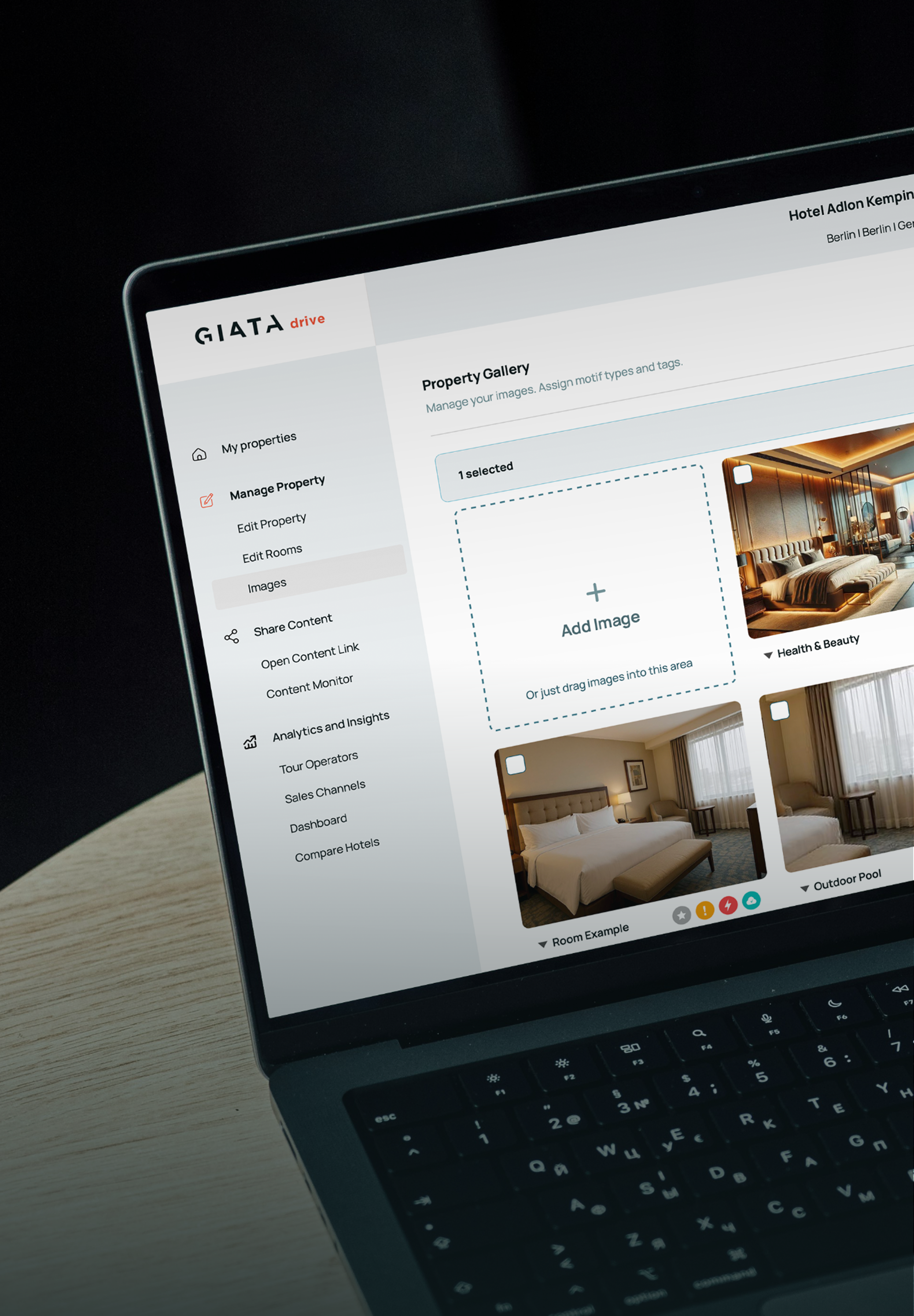 GIATA DriveCentralize, manage and share your hotel data from a single source of truth.
 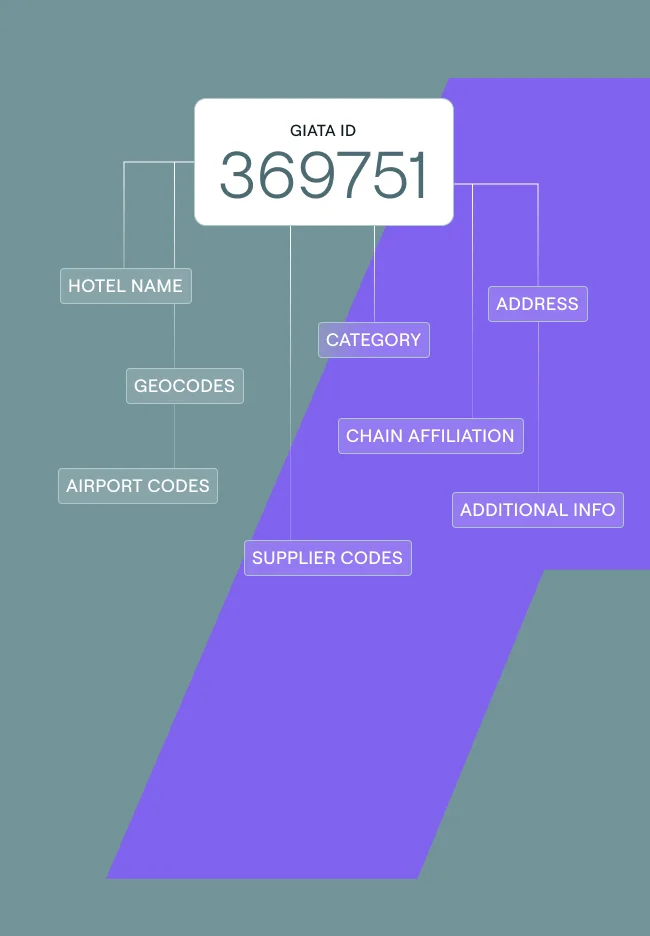 GIATA MulticodesSell with confidence using the world’s largest hotel mapping database.
- GIATA Room MappingClean up inconsistent room names to provide travelers with the best offer for every room type.
- GIATA Multilingual Hotel GuideUnlock new markets by offering localized hotel data in 25 languages.
- GIATA Hotel Guide (DACH)Access over 5 million localized package tours, aggregated from DACH tour operators.
- Solutions
- by Segment
- by Challenge
- Duplication booking errorsDuplicate listings and booking errors cost you time, money and trust
- Reliable travel data translationsYou can’t sell what travelers don’t understand
- Hotel data management and distributionTime spent manually updating hotel data is a lost opportunity to grow
- Decision intelligence in travelTurn user intent into profitable business decisions.
- Company
- Latest
- Help Center
- Login
Insights
The Travel Brands AI Will Recommend Have One Thing in Common. It’s Not Their Budget.
20. July 2026Category

Travel marketing starts long before the customer sees your brand.
For years, travel companies have optimized for search engines. Now they’re preparing for something entirely different. As AI assistants become part of how travelers discover, compare and book trips, a new audience is emerging, one that doesn’t browse websites or scroll endlessly through listings. It asks a question and expects one trusted answer.
That changes everything.
Recent developments across the travel industry point to the same conclusion: AI is becoming a new gateway to travel discovery. As travelers increasingly use AI assistants to search, compare and plan trips, travel brands need to think beyond traditional digital marketing. Success will depend not only on how well they communicate with people, but also on how clearly they communicate with AI.
But here’s what many organizations overlook. AI is only as good as the data behind it.
Visibility is becoming an AI problem, not just a marketing problem
Traditional digital marketing has focused on visibility through SEO, paid media, campaigns, and reviews. Those fundamentals still matter. But AI introduces a new requirement. Your information has to be structured, consistent and trustworthy enough for AI systems to understand it with confidence.
For travel marketers, this changes the definition of optimization. It’s no longer enough to create compelling campaigns or high-performing content. Marketing performance increasingly depends on the quality and consistency of the data behind every hotel listing, room description and product attribute. In the AI era, discoverability starts with trusted information.
If your hotel appears under multiple names, room types differ across suppliers, descriptions vary by distribution channel, images and facts aren’t synchronized AI has no reliable foundation to work from. The result isn’t just a poorer customer experience. It may mean your products are overlooked entirely.
The future of travel marketing won’t be won by the loudest brands. It will be won by the brands with the cleanest data.
Learn how to streamline hotel content
AI rewards precision
Boston Consulting Group recently described the emergence of “AI-first” hospitality businesses, organizations that are redesigning operations around AI rather than simply adding AI tools to existing workflows. The common denominator isn’t bigger AI investments. It’s better data infrastructure.
Companies that scale AI successfully do so because they have connected, standardized and trusted data flowing through their business. Those relying on fragmented systems struggle to move beyond isolated AI experiments.
That’s an important distinction. Generative AI may be the visible layer. Structured data is the invisible layer that makes it work.
Every customer journey starts with data quality
Travel has always been an industry built on connections. Hotels connect with OTAs. Tour operators connect with suppliers. Bed banks connect with distribution partners.
Now AI is becoming another participant in that ecosystem. Every recommendation an AI assistant makes depends on reliable property identities, standardized room information, accurate descriptions and consistent availability.
Personalization starts with precision, automation depends on structure, and AI relies on high-quality data.
Learn how to streamline hotel content
The new competitive advantage isn’t another AI tool
Many travel businesses are asking: “Which AI platform should we use?” The better question is: “Is our data ready for AI?”
Because no matter which assistant, search platform or booking experience travelers use tomorrow, they will all depend on one thing: Reliable, structured information.
The organizations investing in that foundation today will be the ones AI trusts tomorrow.