


- Products
 SMARTSEER part of GIATATurn every traveller interaction into measurable revenue uplift.
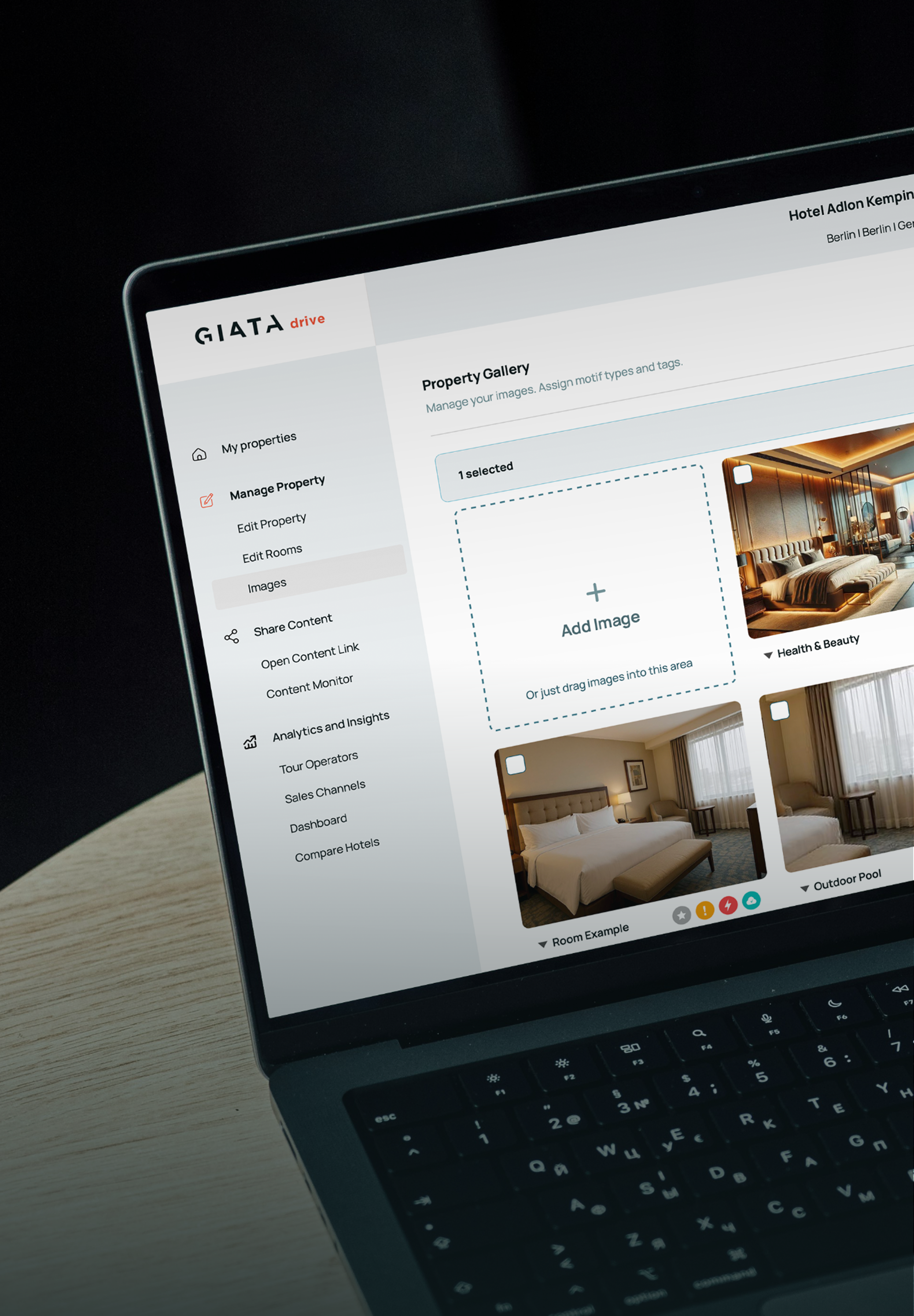 GIATA DriveCentralize, manage and share your hotel data from a single source of truth.
 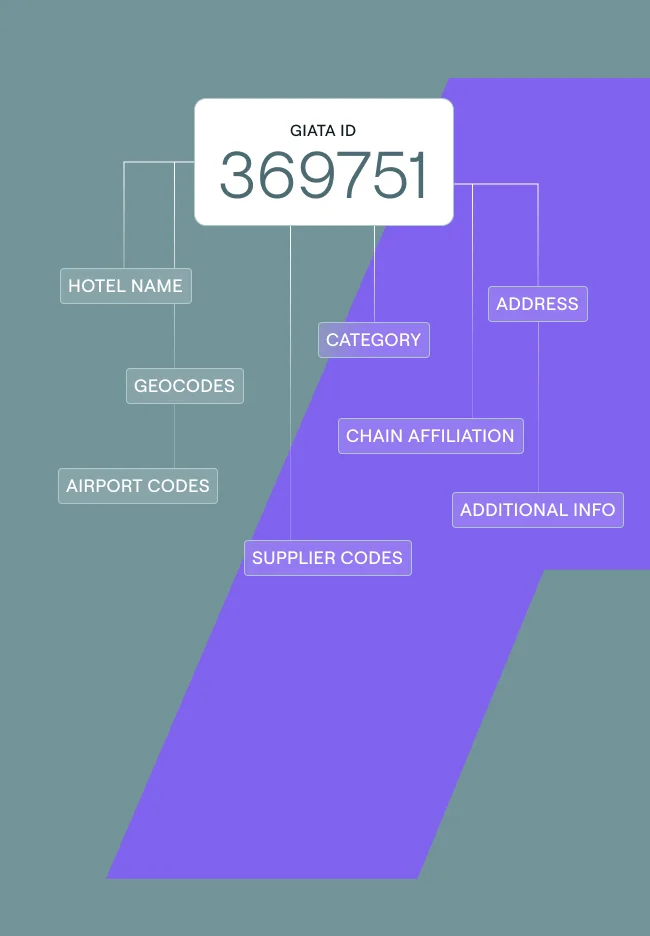 GIATA MulticodesSell with confidence using the world’s largest hotel mapping database.
- GIATA Room MappingClean up inconsistent room names to provide travelers with the best offer for every room type.
- GIATA Multilingual Hotel GuideUnlock new markets by offering localized hotel data in 25 languages.
- GIATA Hotel Guide (DACH)Access over 5 million localized package tours, aggregated from DACH tour operators.
- Solutions
- by Segment
- by Challenge
- Duplication booking errorsDuplicate listings and booking errors cost you time, money and trust
- Reliable travel data translationsYou can’t sell what travelers don’t understand
- Hotel data management and distributionTime spent manually updating hotel data is a lost opportunity to grow
- Decision intelligence in travelTurn user intent into profitable business decisions.
- Company
- Latest
- Help Center
- Login
Insights
AI Doesn’t Search Like Humans: Is Your Hotel Ready?
18. July 2026Category

The way people discover hotels is changing faster than many in the industry realize.
For years, travelers searched using keywords, compared lists of results and clicked through dozens of hotel pages before making a decision. That journey is becoming more conversational, more personalized and increasingly powered by artificial intelligence.
Imagine you’re planning a holiday. Instead of typing “4-star hotel Mallorca” into a search engine, you ask:
“I’m travelling with two young children. We’d like a quiet hotel near the beach with a great breakfast, family-friendly facilities and somewhere we can walk to restaurants in the evening.”
Increasingly, this is how people will search, not with keywords, but with conversations.
It may sound like a small shift, but it changes everything. AI doesn’t simply return a list of hotels. It interprets preferences, understands intent and recommends the properties that best match a traveler’s needs.
For hotels, this raises an important question: Will AI know enough about your property to recommend it?
We’ll explore how AI is reshaping hotel discovery, why visibility now depends on being understood, and what hotels can do today to prepare for the next generation of search.
AI isn’t just changing search. It’s changing discovery.
Traditional search engines present a list of results and leave the final decision to the traveler. AI takes on a much more active role. It interprets preferences, understands context and narrows thousands of options down to a handful of recommendations.
In other words, AI isn’t simply helping travelers find hotels. It’s influencing which hotels they discover in the first place.
That shift has important implications for hoteliers. Visibility is no longer just about appearing in search results, it’s about giving AI enough reliable information to understand what makes your property the right choice for a particular traveler.
Learn how to streamline hotel data
Will AI know enough about your property to recommend it?
Brand recognition, SEO and guest reviews remain important. And as AI becomes part of the discovery process, they’re no longer the only factors influencing visibility.
AI doesn’t browse hotel websites or scroll through search results the way people do. Instead, it builds an understanding of your property using structured information.
That includes details such as your location, amenities, room types, accessibility, sustainability credentials and the experiences you offer. Whether a traveler is looking for a beachfront escape, a wellness retreat or a family-friendly resort, AI relies on these attributes to identify the best match.
The more complete, accurate and consistent that information is, the more confidently AI can recommend your hotel.
Better data creates better visibility.
The challenge isn’t that hotels lack information. It’s that much of it exists across multiple systems, suppliers and distribution channels.
When hotel descriptions differ between platforms, room names are inconsistent or property attributes are incomplete, AI is left with an incomplete picture of the property. That makes it harder to confidently recommend the right hotel to the right traveler.
Structured, verified and consistently maintained data gives AI the clarity it needs to understand what makes your property unique. The result is better visibility, more relevant recommendations and a smoother booking journey for travelers.
The next competitive advantage
For years, hotels invested heavily in being found. They optimized websites, improved SEO and strengthened their presence across digital channels. Those efforts still matter, but the next competitive advantage is different.
As AI becomes another gateway to travel discovery, hotels need to think beyond search rankings. Success increasingly depends on how well AI can understand, interpret and recommend a property.
The hotels that prepare today won’t simply be easier to find. They’ll be easier to recommend.