


- Products
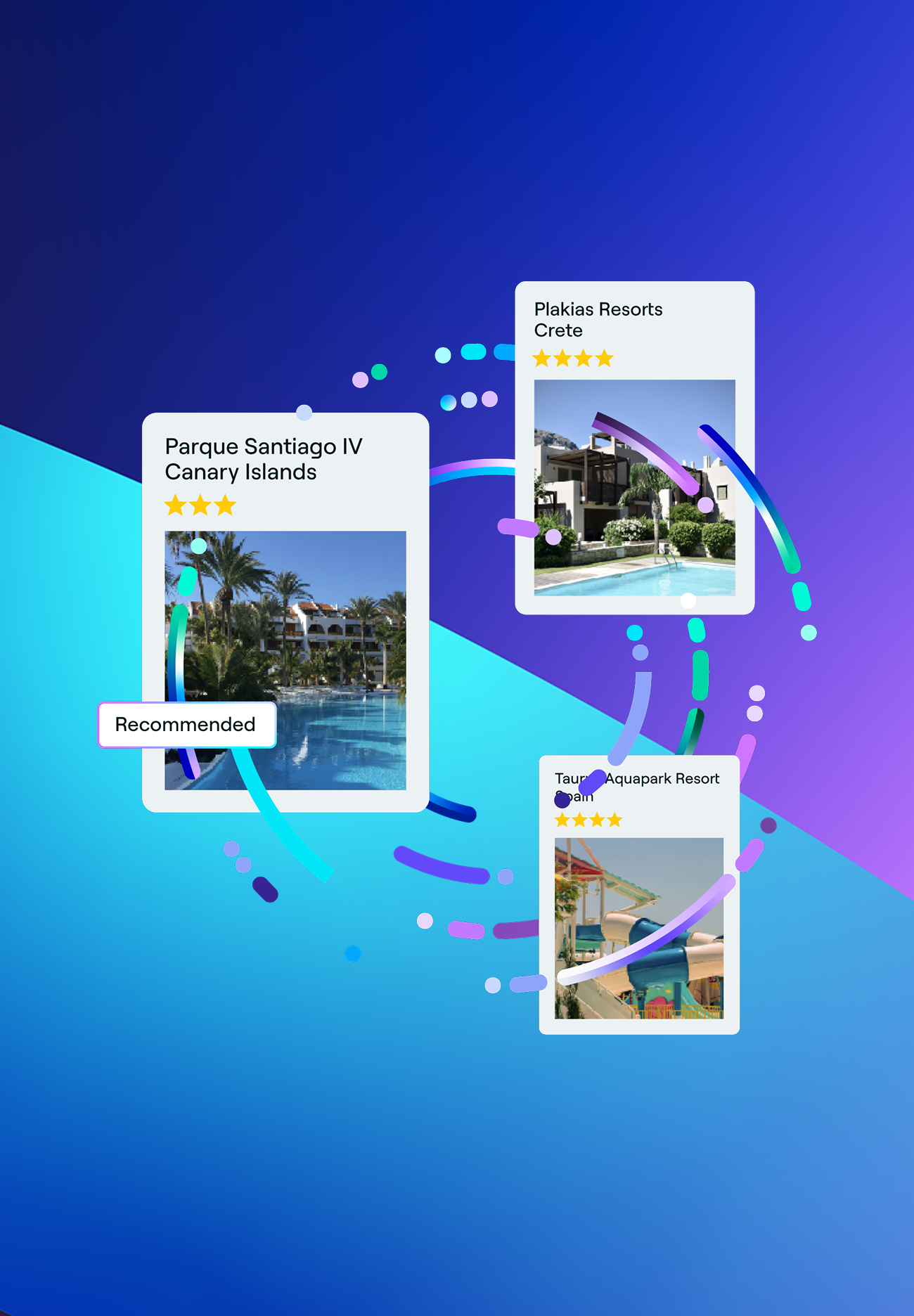 SMARTSEER part of GIATATurn every traveller interaction into measurable revenue uplift.
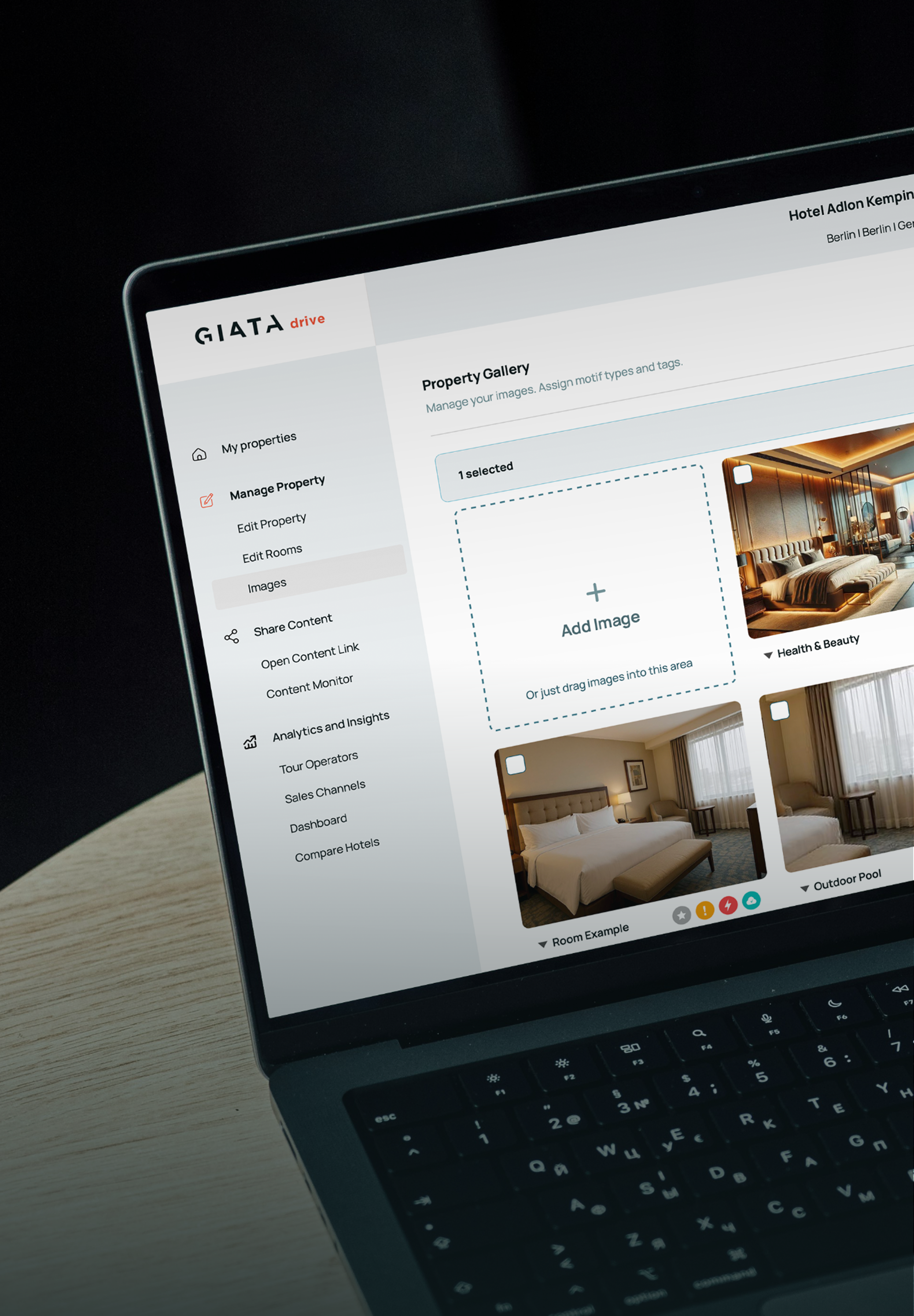 GIATA DriveCentralize, manage and share your hotel data from a single source of truth.
 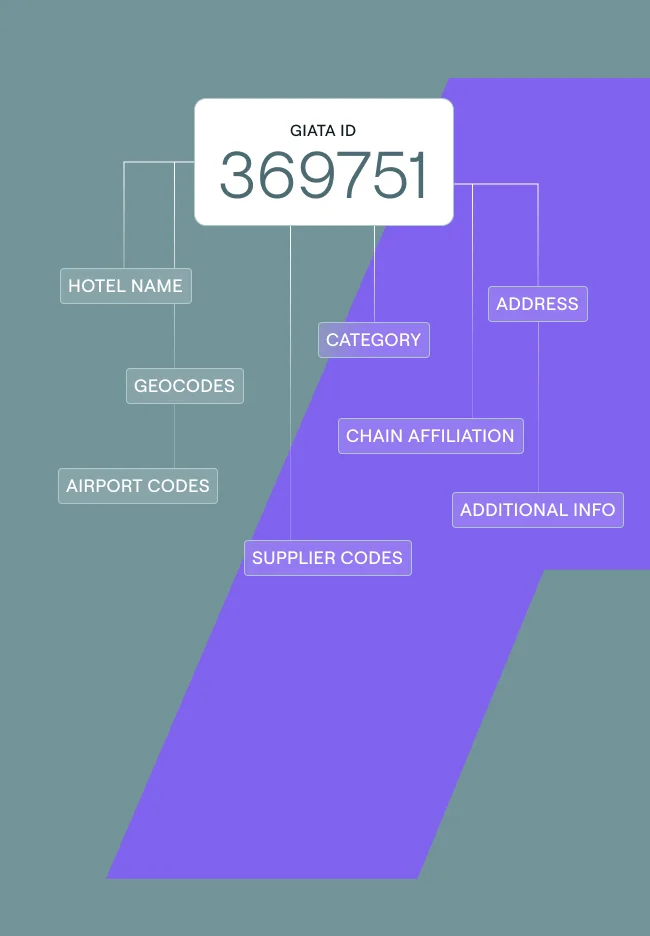 GIATA MulticodesSell with confidence using the world’s largest hotel mapping database.
- GIATA Room MappingClean up inconsistent room names to provide travelers with the best offer for every room type.
- GIATA Multilingual Hotel GuideUnlock new markets by offering localized hotel data in 25 languages.
- GIATA Hotel Guide (DACH)Access over 5 million localized package tours, aggregated from DACH tour operators.
- Solutions
- by Segment
- by Challenge
- Duplication booking errorsDuplicate listings and booking errors cost you time, money and trust
- Reliable travel data translationsYou can’t sell what travelers don’t understand
- Hotel data management and distributionTime spent manually updating hotel data is a lost opportunity to grow
- Decision intelligence in travelTurn user intent into profitable business decisions.
- Company
- Latest
- Help Center
- Login
Insights
The Biggest Problem in Travel Tech Isn’t What You Think.
6. July 2026Category

AI is transforming how travelers search and book. For OTAs, tour operators and travel technology providers, the real question isn’t whether AI is coming. It’s whether your data infrastructure is ready for it.
Artificial intelligence has changed the way people discover travel. Instead of searching for a destination or a hotel by name, travelers are increasingly asking conversational questions:
“Show me a beachfront hotel in Mallorca with family rooms and a kids’ club under €300 per night.”
It’s a fundamentally different way of searching. And it requires a fundamentally different approach to travel data. While much of the industry has focused on AI-powered inspiration, it is only the beginning. The real challenge is turning an AI recommendation into a successful booking.
For travel sellers, that depends on something far less visible, but far more important. It depends on data.
AI only performs as well as the data behind it
Large Language Models like Gemini or ChatGPTc an understand intent remarkably well. They can interpret natural language, compare options and generate recommendations in seconds.
But they don’t know whether two hotels with different supplier IDs are actually the same property. They don’t know whether “Superior Double”, “Double Superior” and “Premium King” describe identical room categories. They don’t know which hotel attributes are accurate, current or verified.
Without structured, consistent data, AI doesn’t become smarter. It becomes uncertain. And uncertainty leads to poor recommendations, duplicate listings and booking loss.
The new competitive advantage isn’t AI. It’s clean data.
For Online Travel Agencies, Tour Operators and Travel Technology providers, AI creates enormous opportunities, but only if the underlying data infrastructure can support it.
As search evolves from destination-based queries to attribute-based discovery, structured hotel data becomes the language AI understands. Property names alone are no longer enough.
AI needs standardized information about amenities, room types, location, accessibility, and so on. The more structured and consistent this information is, the better AI can recommend the right property to the right traveler.
One hotel should never appear as two different hotels
One of the biggest hidden challenges in travel distribution is duplicate property data. The same hotel may appear under multiple supplier IDs, slightly different names or inconsistent descriptions across different systems.
For travelers, this creates confusion. For OTAs, it creates duplicate listings. But for AI, it creates ambiguity. If AI cannot confidently identify a property, every recommendation becomes less reliable. This is why hotel mapping has become more important than ever.
With GIATA’s hotel mapping solution, every hotel receives one unique identity that maps supplier codes across the global travel ecosystem. Instead of fragmented property records, travel platforms work with a single, verified source of truth.
The result is cleaner search results, and a stronger foundation for AI-driven recommendations.
Learn how to streamline hotel data
Room data matters just as much
Property mapping is only part of the equation.Room names remain one of the industry’s most inconsistent data challenges. A traveler may see:
- Deluxe King
- King Deluxe
- Superior King Room
Three different names. Often the same room. Without room standardization, AI cannot accurately compare offers or identify the best available option. Nor can travelers.
GIATA’s room mapping solution standardizes room categories across suppliers, making comparisons clear and helping travelers book with greater confidence while reducing manual correction work for travel platforms.
AI needs trusted travel infrastructure
There’s a growing perception that AI will replace traditional travel technology. The opposite may be true. As AI becomes the front-end experience, trusted travel infrastructure becomes even more valuable behind the scenes.
AI still depends on, structured property data, accurate hotel identities, standardized room information, reliable APIs, verified content. These are the building blocks that allow AI to move beyond generating recommendations and deliver reliable booking experiences.
Better data. Better travel.
For OTAs, Tour Operators and Technology Partners, AI readiness isn’t defined by adding another chatbot or integrating another Large Language Model.
It’s defined by the quality of the data those systems rely on. The travel companies that invest in structured, verified and consistently maintained data today will be best positioned to deliver the intelligent booking experiences travelers increasingly expect tomorrow.
Because the future of AI in travel doesn’t begin with the model. It begins with the data.
Find out more about AI-readiness in Travel