


- Products
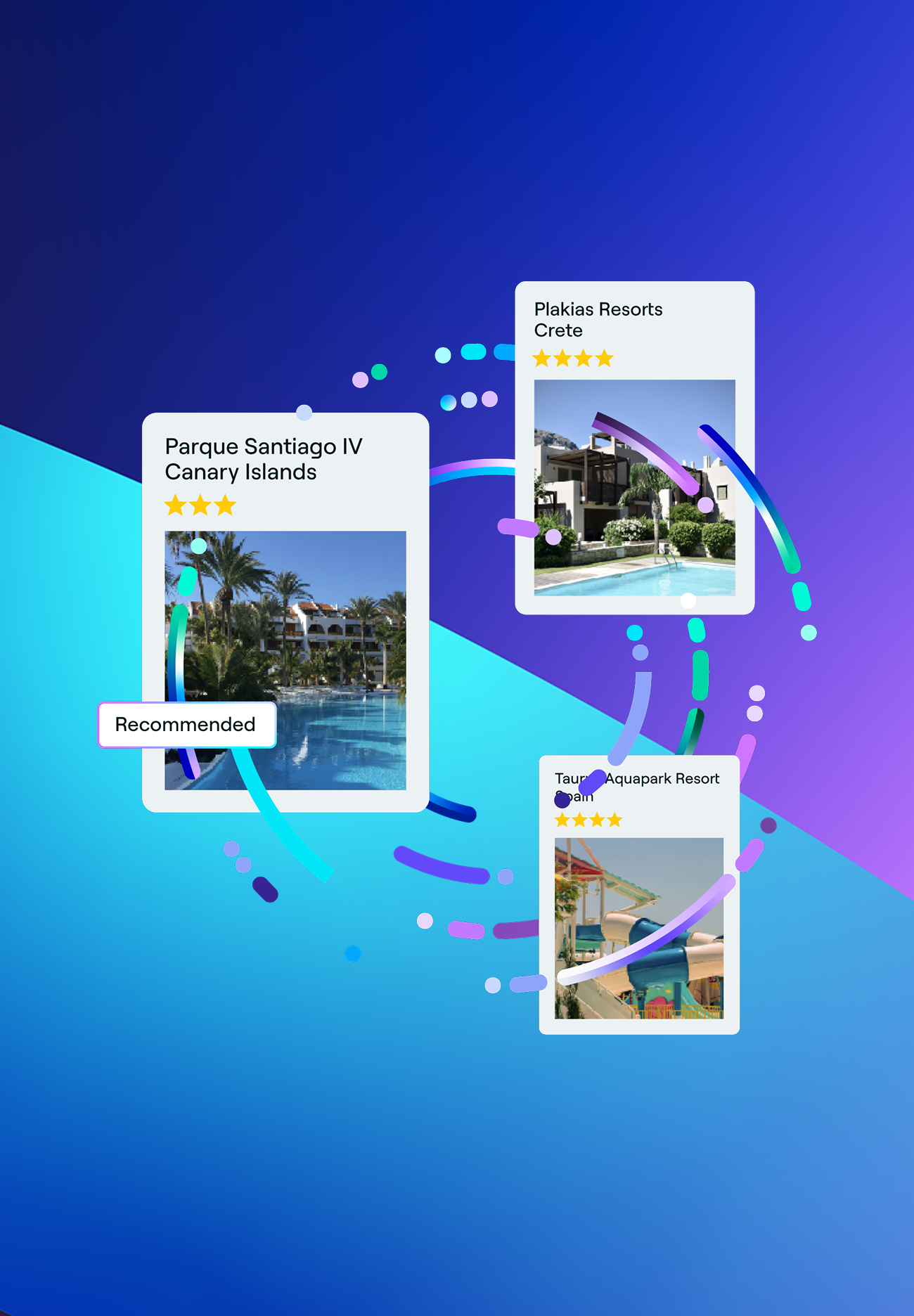 SMARTSEER part of GIATATurn every traveller interaction into measurable revenue uplift.
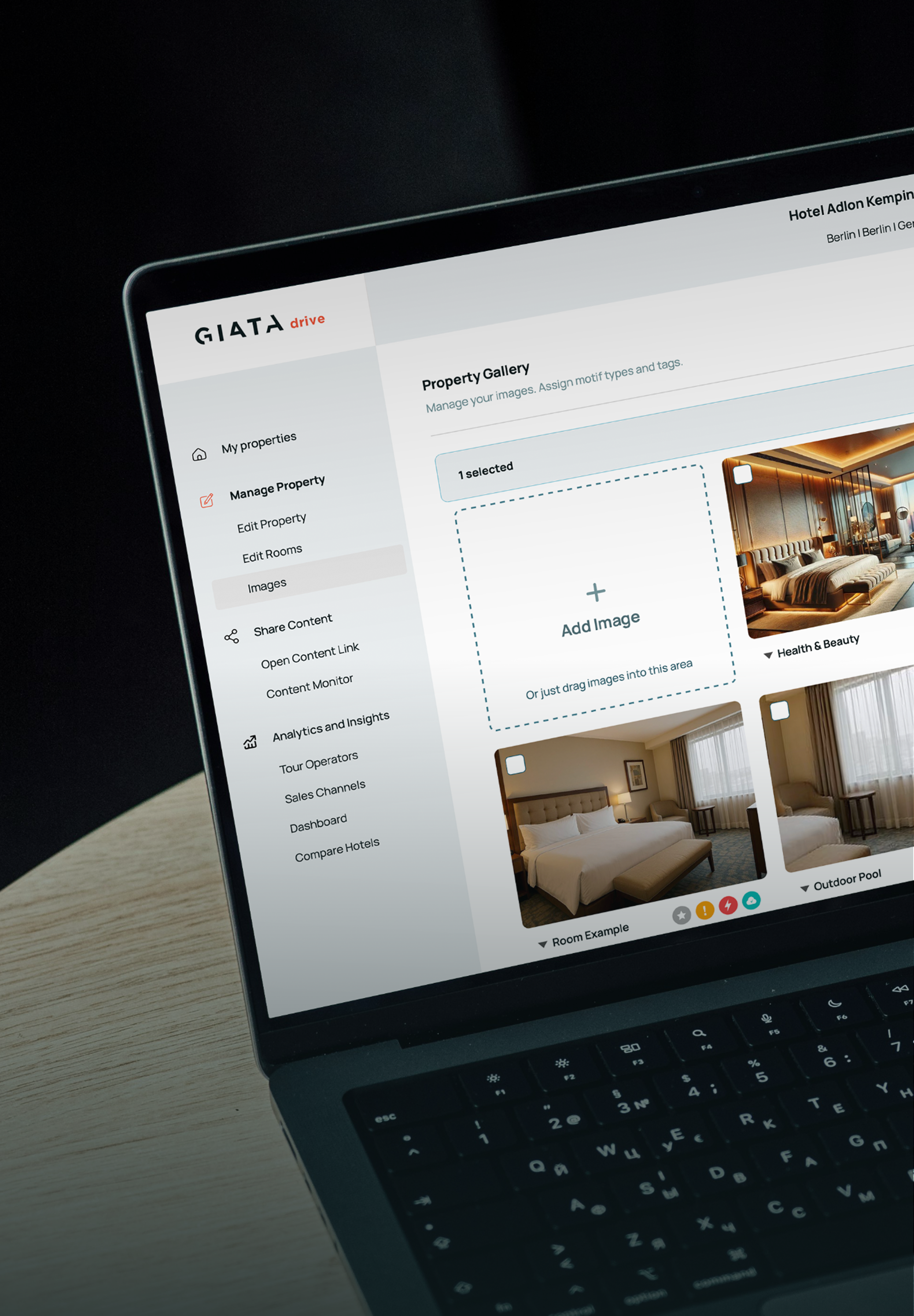 GIATA DriveCentralize, manage and share your hotel data from a single source of truth.
 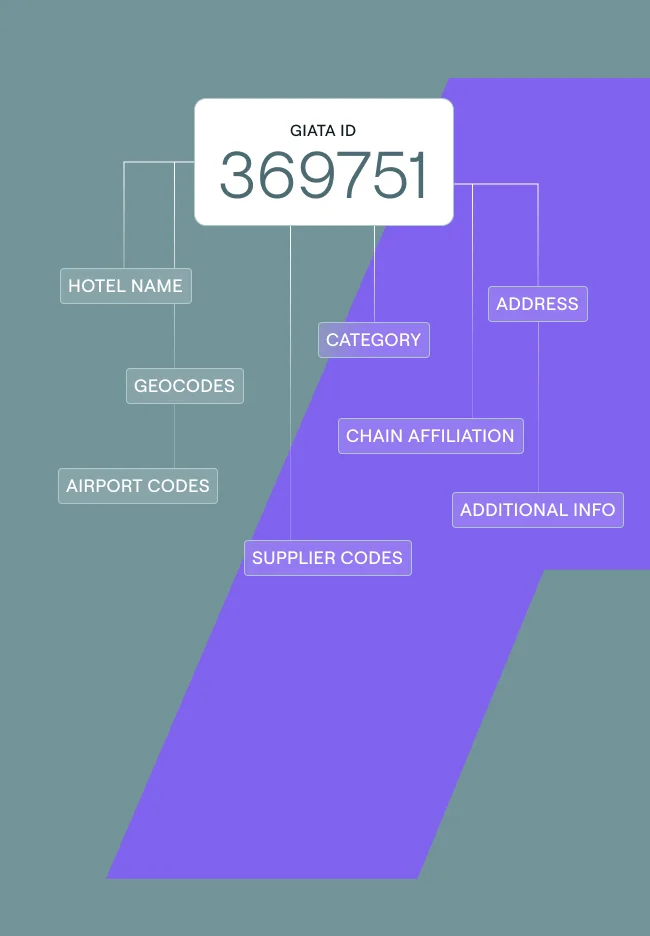 GIATA MulticodesSell with confidence using the world’s largest hotel mapping database.
- GIATA Room MappingClean up inconsistent room names to provide travelers with the best offer for every room type.
- GIATA Multilingual Hotel GuideUnlock new markets by offering localized hotel data in 25 languages.
- GIATA Hotel Guide (DACH)Access over 5 million localized package tours, aggregated from DACH tour operators.
- Solutions
- by Segment
- by Challenge
- Duplication booking errorsDuplicate listings and booking errors cost you time, money and trust
- Reliable travel data translationsYou can’t sell what travelers don’t understand
- Hotel data management and distributionTime spent manually updating hotel data is a lost opportunity to grow
- Decision intelligence in travelTurn user intent into profitable business decisions.
- Company
- Latest
- Help Center
- Login
Insights
The Hidden Infrastructure Behind Better Travel Bookings: Hotel Mapping and Room Mapping
4. June 2026Category

One hotel. One room. One version of the truth.
Travelers expect instant, accurate comparisons when they search for accommodation. But behind every search result lies a complex challenge that most never see: the same hotel can appear under multiple names, while identical room types can be listed in completely different ways.
For Online Travel Agencies (OTAs), tour operators, bed banks, travel management companies and travel technology providers, this data fragmentation creates more than operational headaches. It impacts conversions, customer trust, profitability and AI readiness.
This is where hotel mapping and room mapping become essential.
What is hotel mapping?
Hotel mapping is the process of identifying and matching hotel records from different suppliers to a single property.
A hotel may be distributed through hundreds of suppliers, wholesalers, bed banks and channel partners. Each source often uses its own supplier code, naming convention and property details.
For example:
- Grand Beach Resort
- Grand Beach Hotel & Spa
- Grand Beach Resort Dubai
All three listings could refer to the exact same property. Without hotel mapping, travel platforms risk displaying duplicate listings, inconsistent pricing and conflicting information. Travelers see multiple versions of the same hotel, making comparison difficult and reducing confidence in the booking process.
Hotel mapping solves this problem by assigning a unique identifier to every property and linking supplier records to that single source of truth.
The result is cleaner search results, better user experiences and more reliable travel data across the entire distribution ecosystem.
Why duplicate hotel listings are consting you more than you think
Duplicate listings do more than create visual clutter. They create operational and commercial challenges that affect every stage of the customer journey.
Reduced conversion rates
When travelers encounter multiple versions of the same property, decision-making becomes harder. Instead of helping customers choose confidently, duplicate results create uncertainty.
Booking errors and compensation costs
Mismatched property data can lead to incorrect bookings, customer complaints and costly compensation cases.
Inefficient operations
Development teams often spend valuable time manually identifying and correcting duplicate records rather than focusing on innovation.
Poor data foundations for AI
Artificial intelligence depends on structured, consistent and verified data. Duplicate properties introduce noise into recommendation engines, personalization systems and analytics models. As AI becomes increasingly important in travel, clean hotel data is no longer optional. It’s foundational.
What is room mapping?
If hotel mapping creates clarity at the property level, room mapping creates clarity at the booking level. Room mapping standardizes room names from different suppliers so identical room types can be recognized and compared correctly.
Consider these examples:
- Deluxe King Room
- King Deluxe
- Superior King Room
Depending on the supplier, these names may describe the same room category. Without room mapping, travel platforms may display these as separate products. The result is confusing comparisons, inconsistent pricing displays and missed opportunities to present the best available offer.
Room mapping analyzes room attributes and naming structures to create consistent room categories across suppliers. For travelers, this means transparent comparisons. For travel businesses, it means better conversions.
Why room mapping directly impacts revenue
Room data is often where booking decisions are made. When room information is inconsistent, travelers struggle to understand differences between offers. Confidence drops and booking abandonment increases.
Effective room mapping helps travel businesses:
Present the best offer for every room category
When identical room types are grouped together, travelers can easily compare prices and choose the best option.
Reduce booking disputes
Clear room descriptions reduce misunderstandings and improve customer satisfaction.
Improve search quality
Normalized room data eliminates apparent duplicates and creates a more professional booking experience.
Increase operational efficiency
Automated room mapping dramatically reduces the need for manual corrections and ongoing maintenance.
Why hotel mapping and room mapping work best together
Many travel companies address hotel mapping first because duplicate properties are highly visible.
However, hotel mapping alone only solves part of the problem. A traveler may find the correct hotel but still face confusion when presented with inconsistent room types from multiple suppliers.
The strongest booking experiences combine both layers:
Hotel Mapping
- One property, one identity
- Duplicate listings removed
- Accurate property matching
Room Mapping
- Consistent room categories
- Clear price comparisons
- Better offer presentation
Together, they create the structured data foundation needed for modern travel distribution.
Mapping in the age of AI
The travel industry is entering a new era driven by artificial intelligence. AI-powered search, personalization and recommendation systems all rely on one thing: precise data.
When property records are duplicated or room types are inconsistent, AI models cannot reliably identify relationships, understand traveler intent or generate accurate recommendations.
That’s why mapping is evolving from a back-office data task into a strategic business capability. Structured, verified and consistently maintained data enables:
- Better personalization
- Smarter recommendations
- More accurate analytics
- Faster innovation
- Greater operational efficiency
In other words, better data creates better travel experiences.
The GIATA Approach
Since 1996, GIATA has been transforming complexity into opportunity through travel data infrastructure. At the heart of GIATA lies the world’s largest hotel mapping database: the definitive source of structured property data.
GIATA Multicodes assigns one unique identity to every hotel, eliminating duplicate listings and creating a trusted foundation for travel distribution. It is a web-based tool that allows both technical and non-technical users to access Multicodes data without requiring API integration. Users can search for hotels and properties, apply filters such as country, rating, supplier, or status, and export results in CSV or XLSX format. Designed for use across different teams, the Utility provides a simple and intuitive way to access and manage Multicodes data for operational purposes.
GIATA Room Mapping extends that precision to room-level data, standardizing room names across suppliers so travelers can confidently compare offers and book with clarity.
Together, these solutions help travel businesses reduce manual workload, eliminate costly errors and build the structured data foundation required for the AI era of travel.
Better Data. Better Travel.
Travelers may never see the mapping technology working behind the scenes. But they experience its impact every time they find the right hotel, compare room options with confidence and complete a booking without confusion.
For travel businesses, hotel mapping and room mapping are no longer simply data management tools. They are essential drivers of conversion, trust and future readiness.