


- Products
 GIATA SmartseerReal-time decisioning that aligns user needs with business goals.
 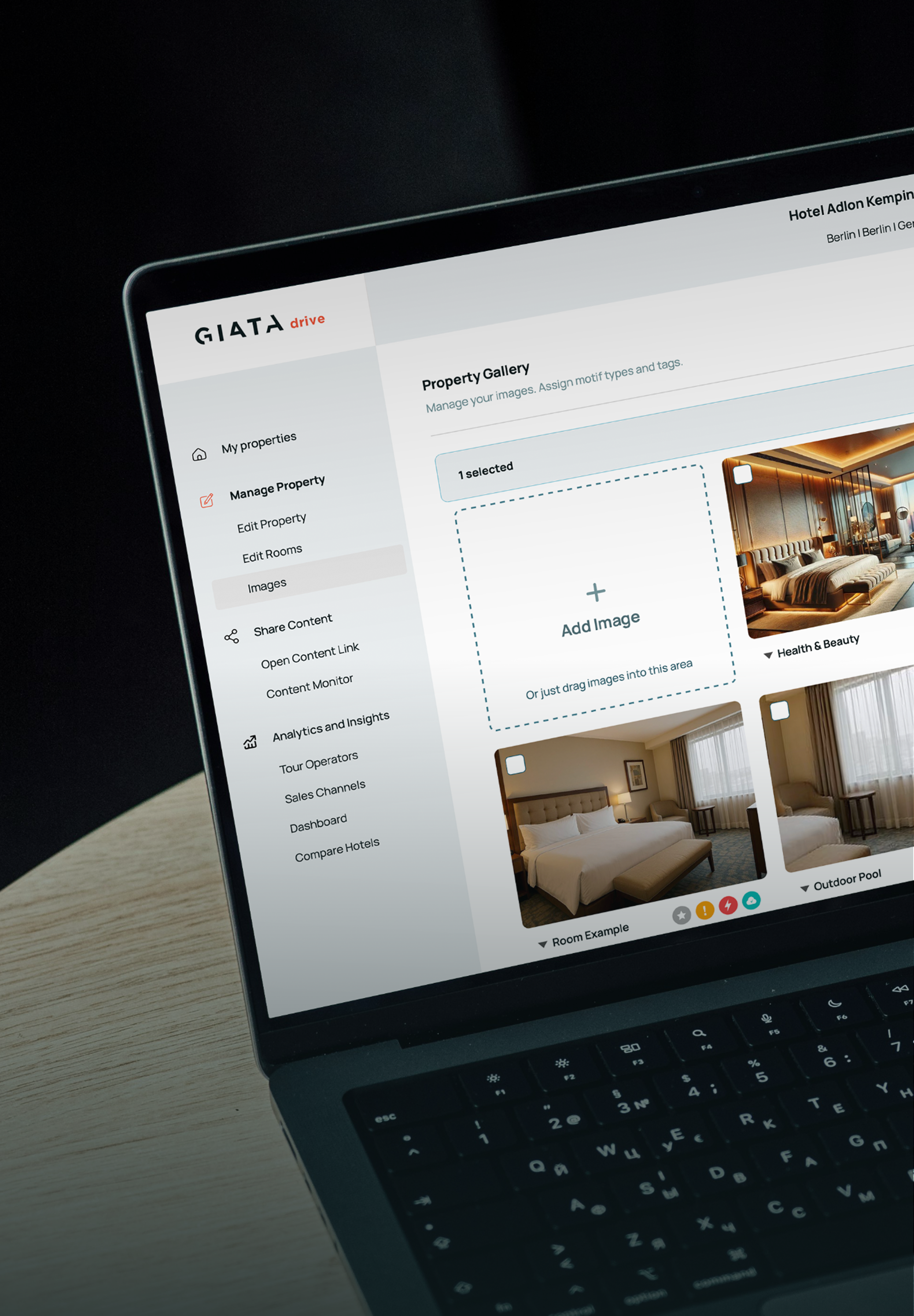 GIATA DriveCentralize, manage and share your hotel data from a single source of truth.
 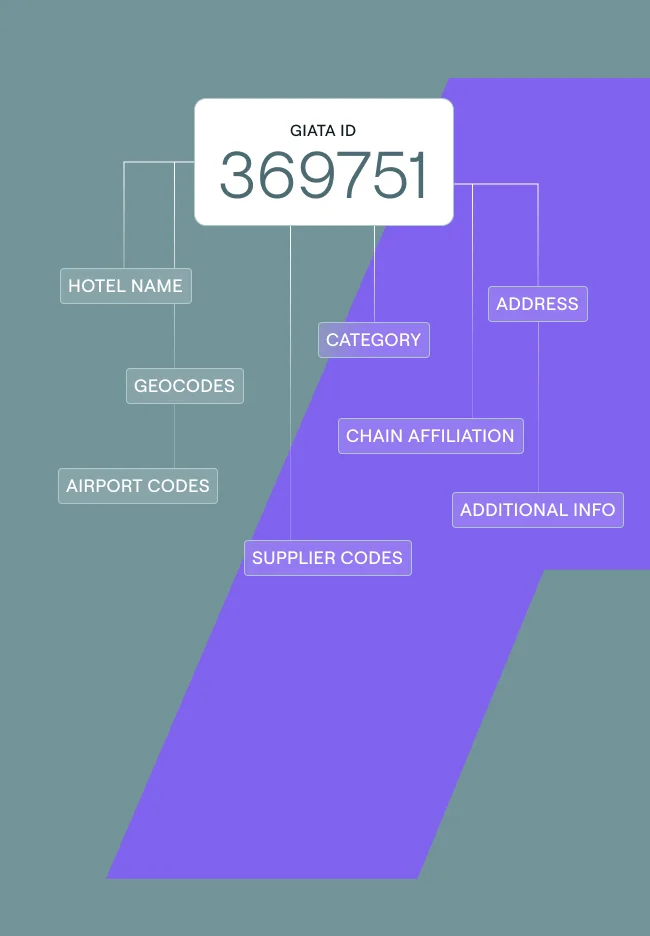 GIATA MulticodesSell with confidence using the world’s largest hotel mapping database.
- GIATA Room MappingClean up inconsistent room names to provide travelers with the best offer for every room type.
- GIATA Multilingual Hotel GuideUnlock new markets by offering localized hotel data in 25 languages.
- GIATA Hotel Guide (DACH)Access over 5 million localized package tours, aggregated from DACH tour operators.
- Solutions
- by Segment
- by Challenge
- Duplication booking errorsDuplicate listings and booking errors cost you time, money and trust
- Reliable travel data translationsYou can’t sell what travelers don’t understand
- Hotel data management and distributionTime spent manually updating hotel data is a lost opportunity to grow
- Individualization in travelPersonalization of travel experiences is no longer optional
- Company
- Latest
- Help Center
- Login
Insights
Precision: The Missing Layer in Travel Booking
17. June 2026Category

Every travel platform wants the same outcome: faster bookings, higher conversions, and happier travelers.
Yet many booking engines struggle with a problem that often goes unnoticed until it starts affecting revenue. Duplicate hotel listings. Inconsistent room names. Mismatched property data. Inaccurate translations. What appears to be a front-end conversion issue is often a data problem at its foundation.
The reality is simple: a booking engine can only perform as well as the data powering it.
The Hidden Cost of Data Chaos
Imagine a traveler searching for a hotel in Barcelona. Instead of seeing one clear property listing, they find three versions of the same hotel, each supplied by a different provider. The hotel names vary slightly. The addresses don’t match perfectly. The room types appear different. The prices vary. From the traveler’s perspective, confidence drops immediately.
From the OTA’s perspective, the consequences are even bigger:
- Duplicate hotel listings create confusion.
- Booking errors increase.
- Customer support costs rise.
- Conversion rates suffer.
- Analytics become unreliable.
- AI-powered personalization delivers weaker results.
For OTAs, tour operators, bed banks and travel technology providers, duplicate booking issues are more than a data challenge. They’re a business challenge.
The Mapping Problem
The travel industry relies on hundreds of suppliers, wholesalers, channel managers and content providers. Each supplier maintains its own identifiers, naming conventions and property descriptions. The same hotel can exist multiple times across systems under different supplier codes.
Without effective hotel mapping solutions, booking platforms are forced to reconcile these records manually or risk presenting fragmented inventory to travelers. The result is duplicated content, inconsistent search results and costly operational inefficiencies.
As travel inventory continues to expand, this challenge only becomes more complex.
Precision Starts with a Single Identity
Precision solves this at the foundation. Through hotel mapping, platforms establish a centralized identity for every property, linking multiple supplier listings to one canonical hotel record.
This process goes beyond simple matching. It involves normalizing addresses, geo-coordinates, hotel names, attributes and content so that every downstream system works with consistent, trusted data. When a hotel has one verified identity, everything becomes easier:
- Search results become cleaner.
- Duplicate booking errors are reduced.
- Property comparisons become more accurate.
- Analytics become more reliable.
- AI systems receive structured, trustworthy data.
This is why hotel mapping has become a critical layer within modern travel infrastructure.
Learn how to eliminate duplications
Why GIATA ID Has Become an Industry Standard
At the heart of effective hotel mapping is a unique identifier. GIATA Multicodes assigns one unique GIATA ID to every hotel and connects it to supplier IDs across the travel ecosystem. This creates a single source of truth for property identity and enables accurate matching across distribution channels.
With millions of properties mapped and more than 200 million supplier codes connected, GIATA Multicodes helps travel businesses eliminate duplicate listings, reduce booking errors and maintain data consistency at scale.
The value extends far beyond data hygiene. When every property has a trusted identity, travel companies gain a foundation for personalization, analytics, merchandising and AI-driven decision-making.
The Room Mapping Challenge Nobody Talks About
Property-level duplication is only half the story. Even when a hotel is correctly identified, room data often remains fragmented. A “Deluxe King,” “King Deluxe,” and “Superior King Room” may describe the same room category, but inconsistent naming prevents travelers from making confident comparisons.
The result? Travelers struggle to identify the best offer. Booking decisions take longer. Conversion opportunities are lost. This is where room mapping APIs and room standardization become essential. By automatically identifying equivalent room types across suppliers and presenting them under a unified structure, booking engines create a cleaner shopping experience that helps travelers compare offers with confidence.
The impact is immediate:
- Clearer room comparisons.
- Better offer visibility.
- Reduced booking errors.
- Stronger traveler trust.
- Improved conversion performance.
Better Data Creates Better Experiences Across Languages
Precision doesn’t stop at mapping. Global travel businesses also face the challenge of presenting consistent hotel information across multiple markets and languages. Untranslated or poorly translated hotel content introduces friction at one of the most important moments in the booking journey: decision-making.
Travelers need accurate descriptions, amenities and property information in their preferred language to book with confidence. Localized, structured content helps remove uncertainty while creating a more transparent booking experience. It also enables travel brands to expand into new markets without increasing operational complexity. Reliable travel data translations ensure that travelers see consistent information regardless of geography or language.
Expand your reach in any market.
Precision Is Becoming the Foundation of AI Readiness
As artificial intelligence becomes increasingly embedded within travel search, recommendations and personalization, data quality becomes even more important.
AI can only be as effective as the information it receives. Duplicate properties, fragmented room data and inconsistent content create noise that weakens recommendations and limits personalization. Clean, structured and verified data creates the conditions for AI to operate effectively at scale.
That is why leading travel companies are investing in hotel data deduplication tools, room mapping APIs and standardized content infrastructure today. They’re not simply solving operational problems. They’re building the foundation for the next generation of travel experiences.
The Future of Booking Performance Starts with Precision
Many organizations focus on optimizing conversion funnels, redesigning interfaces or improving marketing performance. Those initiatives matter. But the highest-performing booking engines share something even more fundamental: trusted data. When every hotel has a single identity, every room type is clearly understood, and content remains consistent across every language and channel, booking performance improves across the board.
Travelers make decisions faster. Support teams handle fewer issues. Development teams spend less time fixing data problems. And booking platforms perform better. Precision isn’t simply a back-end concern. It’s the invisible layer behind every high-performing booking engine. And in today’s travel landscape, better data isn’t just an advantage. It’s the foundation for better travel.
Book a demo to learn more about GIATA Mapping Solutions