


- Products
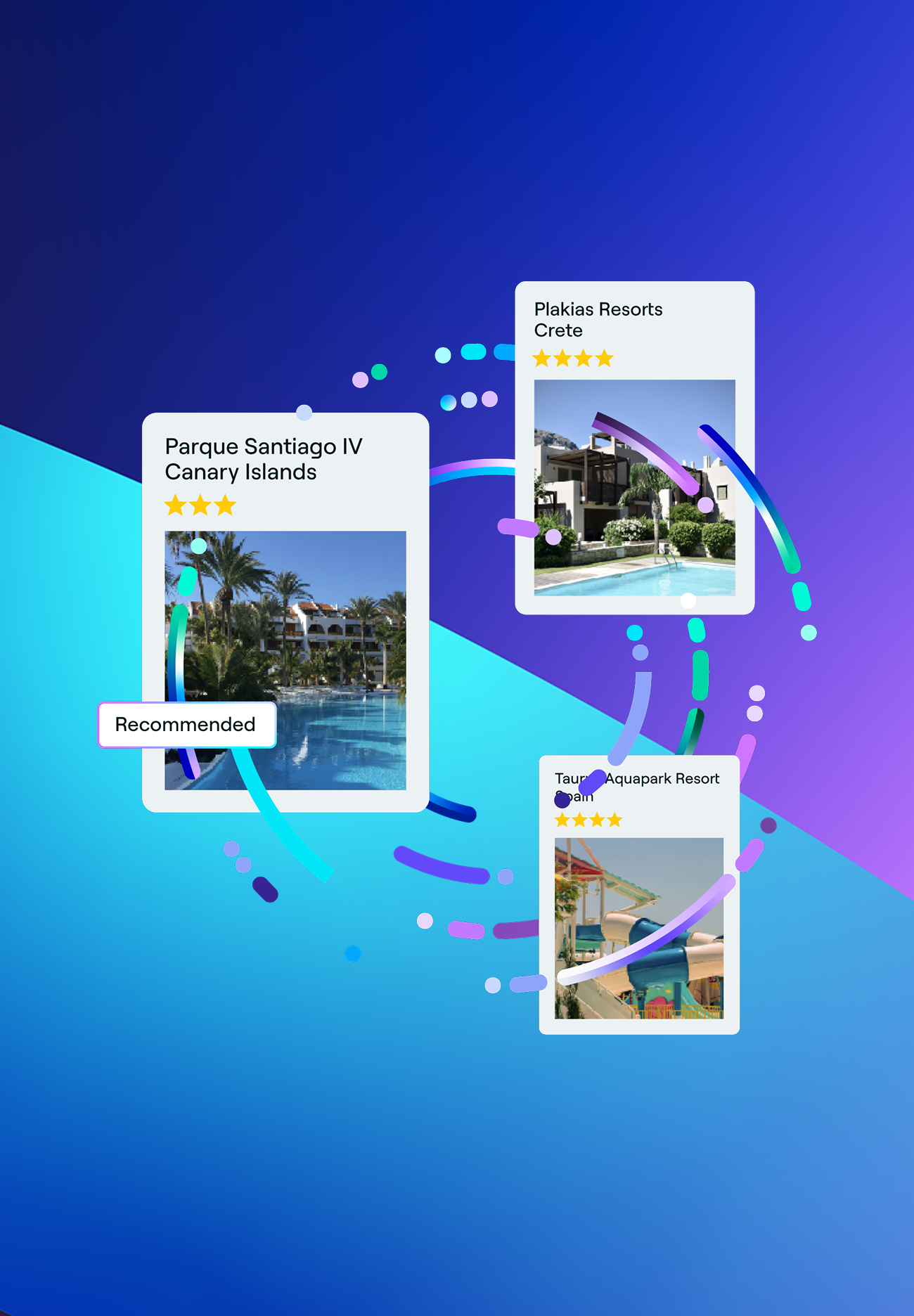 SMARTSEER part of GIATATurn every traveller interaction into measurable revenue uplift.
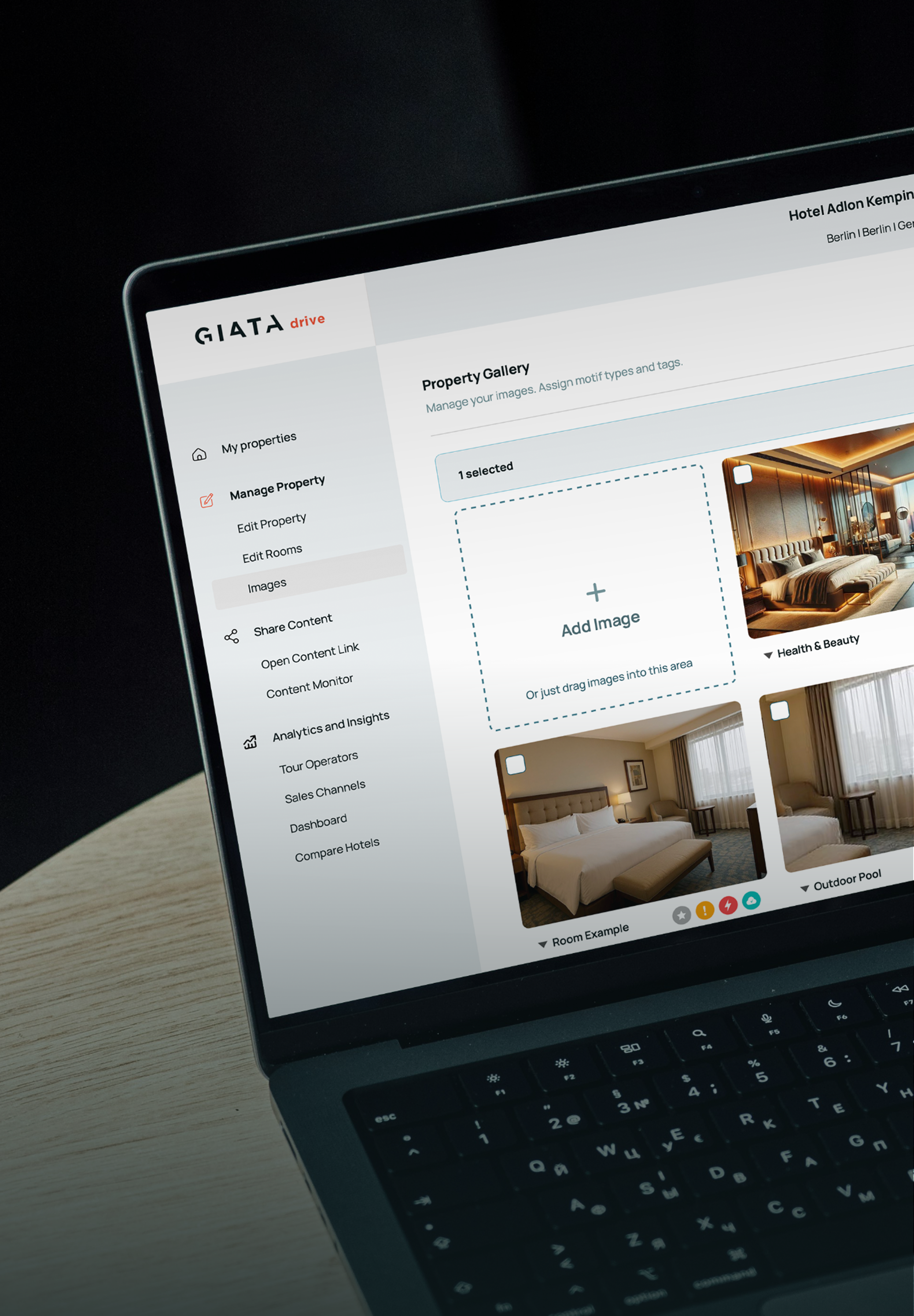 GIATA DriveCentralize, manage and share your hotel data from a single source of truth.
 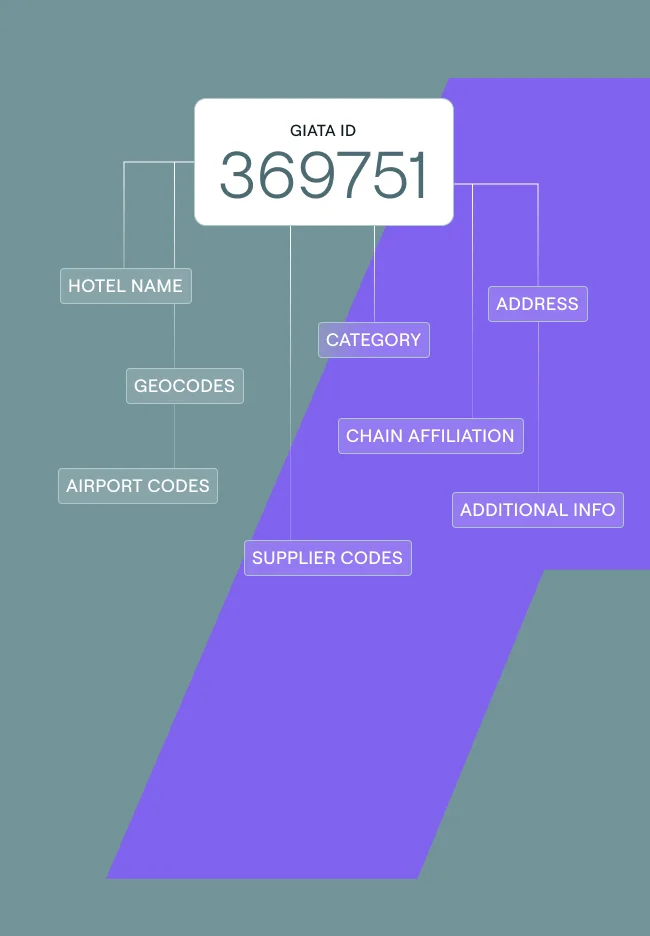 GIATA MulticodesSell with confidence using the world’s largest hotel mapping database.
- GIATA Room MappingClean up inconsistent room names to provide travelers with the best offer for every room type.
- GIATA Multilingual Hotel GuideUnlock new markets by offering localized hotel data in 25 languages.
- GIATA Hotel Guide (DACH)Access over 5 million localized package tours, aggregated from DACH tour operators.
- Solutions
- by Segment
- by Challenge
- Duplication booking errorsDuplicate listings and booking errors cost you time, money and trust
- Reliable travel data translationsYou can’t sell what travelers don’t understand
- Hotel data management and distributionTime spent manually updating hotel data is a lost opportunity to grow
- Decision intelligence in travelTurn user intent into profitable business decisions.
- Company
- Latest
- Help Center
- Login
Featured
Our CEO Mathis Boldt shares insights with Travelnews on why the future of travel depends on better data.
22. April 2026Category

“Wir sind die Schweiz des Tourismus.”
It’s a bold comparison but in a recent interview with Travelnews, GIATA CEO Mathis Boldt uses it to describe something increasingly critical in travel: the need for neutrality, precision and trust at the very core of the industry’s data infrastructure.
Because while travel continues to evolve at speed, the foundation it relies on is still catching up.
The hidden challenge behind digital travel
Travel today is more digital, more connected and more dynamic than ever before. AI is reshaping how people search, compare and book. Platforms are expected to deliver seamless, personalized experiences in real time. But there’s a disconnect.
Behind the interfaces travelers see, many systems still depend on fragmented, duplicated or outdated data. The same hotel listed multiple times. Inconsistent room names. Content that varies across channels. These aren’t minor inefficiencies, they directly impact conversions, increase operational workload and erode traveler trust. As Mathis Boldt highlights in the interview, solving this challenge isn’t about adding more layers of technology. It’s about fixing the foundation.
Why neutrality is becoming a competitive advantage
In a complex ecosystem of suppliers, platforms and distribution partners, neutrality is no longer optional, it’s essential. Just as Switzerland is known for its independence and reliability, the travel industry increasingly depends on data providers that operate as neutral connectors. Not favoring one source over another, but ensuring that information flows consistently and accurately across the entire ecosystem.
This neutrality enables something powerful: a shared, trusted foundation that all players can build on.
Precision that drives real results
At the heart of this foundation lies data quality. Clean, structured and verified data does more than improve backend processes—it creates measurable business impact. It reduces booking errors, lowers manual workload and enables clearer comparisons for travelers. Ultimately, it leads to better decisions and higher conversions.
GIATA’s approach reflects this principle. With the world’s largest hotel mapping database and millions of properties mapped, the company ensures that each piece of information is accurate, consistent and ready to be used across systems. What was once data chaos becomes clarity.
AI is only as powerful as the data behind it
Artificial intelligence is often seen as the solution to many of travel’s challenges. But as the interview makes clear, AI is not a shortcut—it’s an amplifier. It can only perform as well as the data it is trained on and connected to.
Without structured, reliable data, personalization breaks down. Recommendations become less relevant. Automation introduces risk instead of efficiency. This is why the role of data infrastructure is becoming more strategic than ever. It’s not just supporting AI, it’s enabling it.
Building the future of travel, one data point at a time
Since 1996, GIATA has focused on turning fragmented information into structured, usable data—powering the global travel ecosystem across more than 80 markets. Today, that mission is more relevant than ever. As the industry moves deeper into the AI era, the need for precision, neutrality and trust will only grow. The companies that invest in clean, connected data today will be the ones shaping the travel experiences of tomorrow.
Because better data doesn’t just support travel. It defines what travel can become.
Read the full interview in German